Private preview. Stock and payment setup are pending. Unapproved prices cannot be purchased.

Natural-wood archery stabilizers

Built from nature.

Real hardwood bow stabilizers. Choose your wood, length and acorn colors. No two look alike.
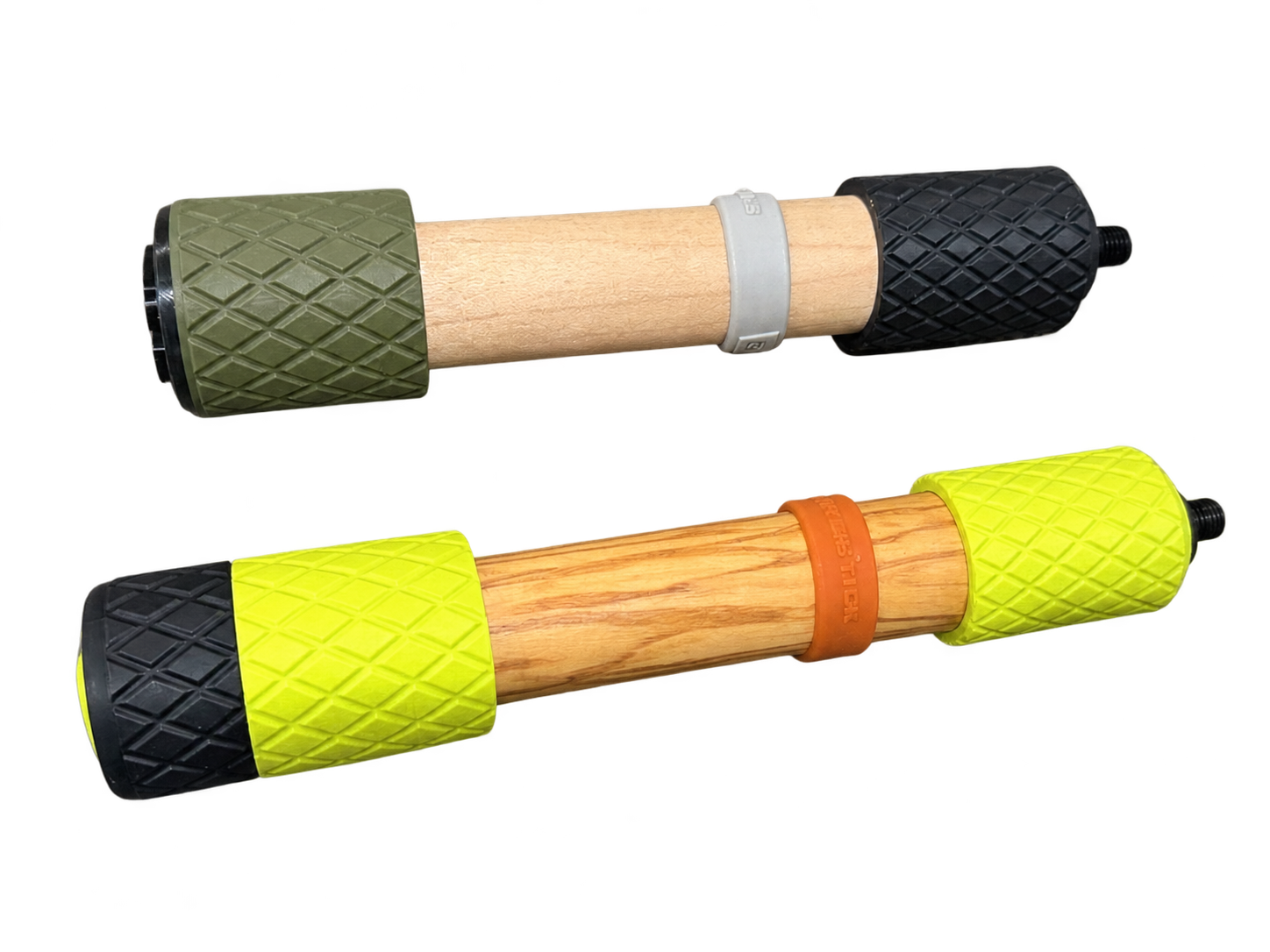
Two Stubstick stabilizers with natural wood and textured acorn caps.
  • Real hardwood
  • Free protective bag
  • Limited Lifetime Warranty
  • 6 · 9 · 12 in

The lineup

Pick your setup.

Classic, Pro or Custom. Find your build.

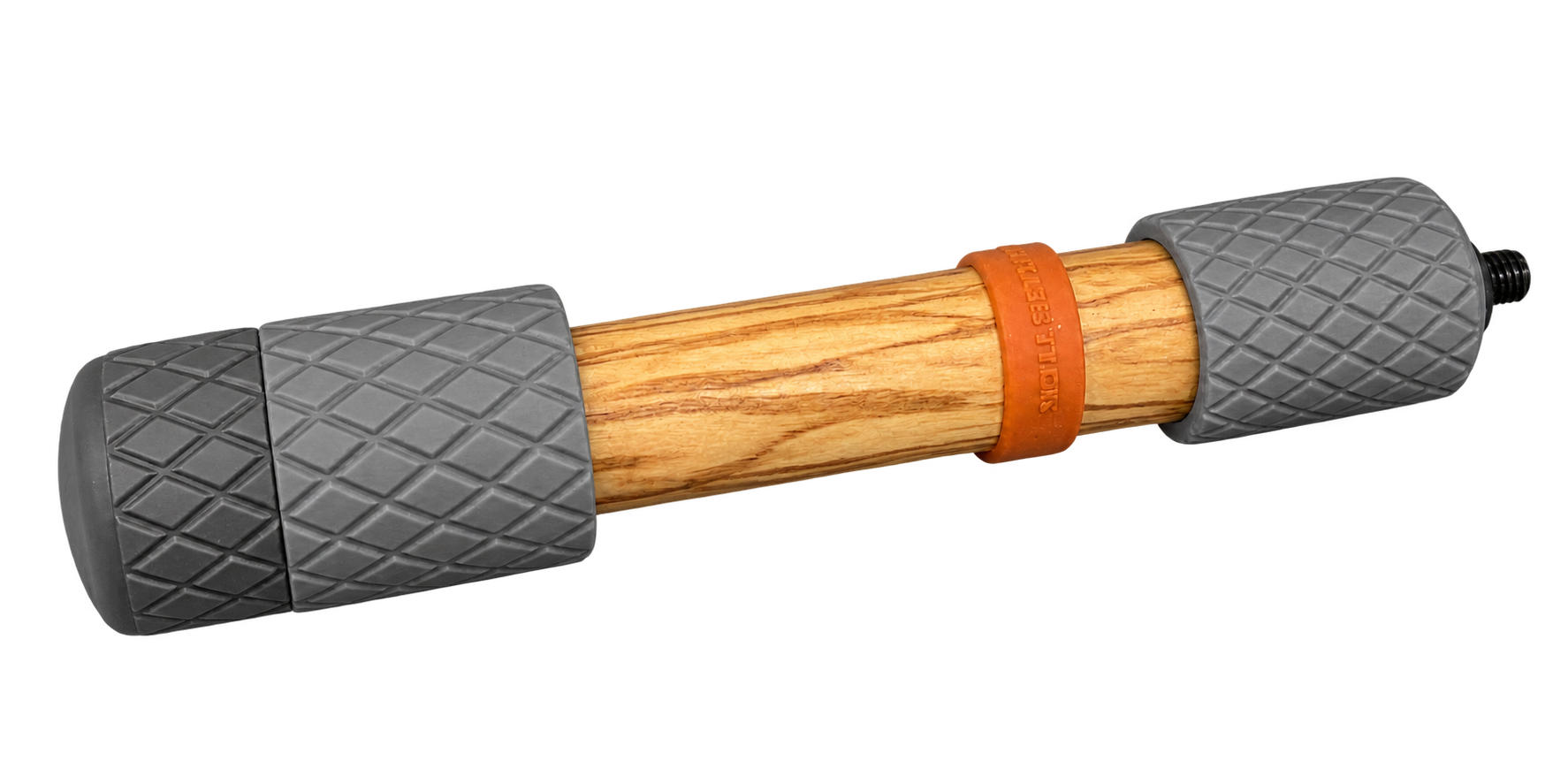
Actual Stubstick product references with natural wood, olive, black and chartreuse acorn caps; backgrounds removed.
Drag or use arrow keys to rotate. Classic: two black acorn ends. No crown piece. Illustrative 3D preview.

Front Acorn + End Acorn

Stubstick Classic

Hardwood bow stabilizer

Real wood. Two black acorn ends. A free protective bag.

  • Solid hardwood body
  • 6, 9 or 12 in — when available
  • Standard or HD acorn caps
  • Free protective bag

From$99.00

Build a Classic
Actual Stubstick stabilizer and acorn cap references; backgrounds removed.
Drag or use arrow keys to rotate. Pro: crown detail included. Illustrative 3D preview.

Front + Top + Crown Acorn

Stubstick Pro

Weight-ready hardwood stabilizer

Real wood with Front, Top and Crown Acorns. Add the WRA kit for $24.99.

  • Solid hardwood body
  • Optional 3.9 oz WRA kit
  • Standard or HD acorn caps
  • Free protective bag

From$109.00

Build a Pro

Your wood. Your build.

Stubstick Custom

More woods. More color combinations. Prices need confirmation, except Ebony.

From$129.99

Build your own

Side by side

Classic vs Pro.

SpecClassicPro
Acorn capsFront Acorn + End AcornFront Acorn + Top Acorn + Crown Acorn
Shaft1-inch natural wood1-inch natural wood
Lengths6, 9 and 12 in*6, 9 and 12 in*
Weight systemNo WRA compatibilityOptional WRA kit
Protective bagIncluded freeIncluded free
WarrantyLimited Lifetime**Limited Lifetime**

*Lengths are nominal and may vary slightly. Stock is unconfirmed. **Warranty terms are pending.

The color studio

Make it yours.

Try your acorn colors.

STUBSTICKClassic · 9 in

Color preview only. Real shades and grain vary.

Build Yours

Build yours.

Choose your build. Check availability or add an in-stock item to your cart.

Shop category
Build style
Wood

Classic and Pro: Hard Maple or Oak. Other woods: Custom.

Length

Nominal lengths. Availability must be confirmed.

Acorn cap finish
Acorn cap colors

Choose the acorn colors for your build. Photos are references.

Pro add-on

Optional Pro kit. Sold separately.

Why wood

Real wood. No two alike.

Real wood has its own grain, shade and natural marks. Each Stubstick is different. Finished lengths may vary slightly.

Explore the woods

    Hard Maple and Oak: Classic or Pro. Specialty woods: Custom. Stock and unapproved prices need confirmation.

    A collage of round wood grain samples in varied natural colors and patterns.
    Natural grain. Illustrative reference. Hover to zoom.

    The hardwood field guide

    Know your wood.

    Explore the look, origin and story of each wood.

    Select a wood to learn more.

    Hard MapleClassic / ProPale cream to light golden tan, often with subtle flowing grain
    Botanical reference
    Acer saccharum (typically sugar maple)
    Native region
    Northeastern United States and southeastern Canada
    Traditional uses
    Furniture, flooring, butcher blocks, cabinetry, bowling alleys and musical instruments
    Story & heritage
    A North American staple for furniture and flooring, also known for maple syrup.
    Why choose it
    A familiar American hardwood with a clean, classic appearance.
    Read the wood reference ↗
    OakClassic / ProWarm light brown to tan with prominent open grain and rays
    Botanical reference
    Quercus alba (white oak used as current reference)
    Native region
    Eastern and central North America
    Traditional uses
    Furniture, flooring, barrels, boatbuilding, architectural millwork
    Story & heritage
    Used for centuries in barrels, boats and timber frames.
    Why choose it
    Bold grain delivers an unmistakably traditional hardwood look.
    Read the wood reference ↗
    WalnutCustomRich chocolate brown to purplish brown, sometimes with lighter streaks
    Botanical reference
    Juglans nigra (American black walnut assumed)
    Native region
    Eastern and central North America
    Traditional uses
    High-end furniture, cabinetry, veneers, gunstocks, musical instruments
    Story & heritage
    A traditional fine-furniture wood, valued for its naturally dark color.
    Why choose it
    A premium, classic dark wood without needing stain.
    Read the wood reference ↗
    BloodwoodCustomBrilliant crimson red when fresh; can deepen toward reddish brown
    Botanical reference
    Brosimum rubescens
    Native region
    Tropical South America
    Traditional uses
    Inlay, small carvings, decorative objects, turned items, instrument parts
    Story & heritage
    Also called satine, prized for its natural red color.
    Why choose it
    One of the boldest naturally red woods in the lineup.
    Read the wood reference ↗
    BocoteCustomGolden-brown ground color with dramatic dark, winding stripes
    Botanical reference
    Cordia spp.
    Native region
    Mexico and Central America, with related trade species farther south
    Traditional uses
    Fine furniture, musical instruments, veneers, turning and decorative accents
    Story & heritage
    Known for winding stripes, swirls and eye-like grain.
    Why choose it
    Every piece can display striking, one-of-a-kind contrast.
    Read the wood reference ↗
    BubingaCustomPinkish red to deep reddish brown, sometimes figured or streaked
    Botanical reference
    Guibourtia spp.
    Native region
    Equatorial Central and West Africa
    Traditional uses
    Luxury veneer, furniture, tabletops, cabinetry and turnings
    Story & heritage
    A decorative furniture and veneer wood, sometimes sold as African rosewood.
    Why choose it
    A richly colored hardwood, sometimes with exceptional natural figure.
    Read the wood reference ↗
    CanarywoodCustomGold, yellow, orange and reddish-brown tones with darker streaks
    Botanical reference
    Centrolobium spp.
    Native region
    Tropical South America, including Brazil
    Traditional uses
    Furniture, cabinetry, instruments, flooring and small turnings
    Story & heritage
    A favorite for colorful woodworking without added dyes.
    Why choose it
    Warm, varied colors give each stick a lively natural character.
    Read the wood reference ↗
    CherryCustomSoft pinkish brown when fresh, darkening toward warm reddish brown
    Botanical reference
    Prunus serotina (American black cherry assumed)
    Native region
    Eastern North America
    Traditional uses
    Fine furniture, cabinets, interior trim and millwork
    Story & heritage
    A classic American furniture and cabinetmaking wood.
    Why choose it
    A refined, warm appearance that develops richer color with age.
    Read the wood reference ↗
    CocoboloCustomOrange, red, brown and dark purple-black streaks
    Botanical reference
    Dalbergia retusa
    Native region
    Central America
    Traditional uses
    Fine instruments, decorative turning, knife handles and small luxury pieces
    Story & heritage
    A specialty rosewood used in instruments and decorative pieces.
    Why choose it
    A richly figured specialty wood, with remarkable color variation.
    Read the wood reference ↗
    Gaboon EbonyCustomDeep black to nearly black, occasionally with subtle brown streaks
    Botanical reference
    Diospyros crassiflora
    Native region
    Equatorial West/Central Africa, notably Cameroon and Gabon
    Traditional uses
    Piano keys, instrument parts, fine inlay, carvings and decorative turning
    Story & heritage
    Long used in fine instruments and inlay; historically traded through Gabon.
    Why choose it
    A dramatic deep-black look and a premium wood selection.
    Read the wood reference ↗
    GranadilloCustomRed to reddish-purple brown, often with contrasting streaks
    Botanical reference
    Platymiscium spp. (confirm supplier species)
    Native region
    Mexico, Central America and tropical South America
    Traditional uses
    Musical instruments, marimbas, furniture, fine joinery and turning
    Story & heritage
    Used in marimbas, instruments and regional fine woodworking.
    Why choose it
    Dense, richly colored wood with musical-instrument heritage.
    Read the wood reference ↗
    JatobaCustomOrange-brown to reddish-brown, deepening with age
    Botanical reference
    Hymenaea courbaril
    Native region
    Mexico, Central America, northern South America and Caribbean
    Traditional uses
    Hardwood flooring, furniture, handles, cabinetry and shipbuilding
    Story & heritage
    Sold as Brazilian cherry, though it is not a true cherry.
    Why choose it
    A hard, substantial hardwood with a warm reddish tone.
    Read the wood reference ↗
    KataloxCustomDark purple-brown to nearly black with pale contrasting sapwood
    Botanical reference
    Swartzia cubensis
    Native region
    Southern Mexico and Central America
    Traditional uses
    Fine furniture, flooring, guitars, inlay and turned objects
    Story & heritage
    Sometimes called Mexican royal ebony; it is not true ebony.
    Why choose it
    An exceptionally dense, dark wood with understated elegance.
    Read the wood reference ↗
    LacewoodCustomReddish brown with pale flecks that resemble intricate lace
    Botanical reference
    Panopsis spp. (South American lacewood assumed)
    Native region
    Tropical South America
    Traditional uses
    Decorative veneer, furniture, guitars and turnings
    Story & heritage
    Named for the lace-like pattern of its broad rays.
    Why choose it
    An intricate flecked pattern unlike ordinary straight-grained wood.
    Read the wood reference ↗
    LeopardwoodCustomMedium to dark reddish brown with large spotted flecks
    Botanical reference
    Roupala montana and related Roupala species
    Native region
    Central and South America
    Traditional uses
    Veneer, furniture, cabinets, guitars and turned items
    Story & heritage
    Its spotted grain inspired the name.
    Why choose it
    Eye-catching spots and a bold natural texture.
    Read the wood reference ↗
    OlivewoodCustomCream to golden brown with dark, swirling, irregular veins
    Botanical reference
    Olea europaea (Mediterranean olive assumed)
    Native region
    Mediterranean Basin; now cultivated widely
    Traditional uses
    Bowls, utensils, carving, furniture accents and decorative turning
    Story & heritage
    From the olive tree, cultivated around the Mediterranean for thousands of years.
    Why choose it
    Swirling grain with centuries of Mediterranean cultural heritage.
    Read the wood reference ↗
    PadaukCustomBright orange-red when freshly worked, deepening to warm reddish brown
    Botanical reference
    Pterocarpus soyauxii (African padauk assumed)
    Native region
    Central and tropical West Africa
    Traditional uses
    Furniture, flooring, instruments, handles and turning
    Story & heritage
    A specialty timber valued for its vivid natural color.
    Why choose it
    A standout red-orange hardwood that needs no color stain.
    Read the wood reference ↗
    PoplarCustomCreamy pale yellow to greenish-brown, often subtle grain
    Botanical reference
    Liriodendron tulipifera (yellow-poplar assumed)
    Native region
    Eastern North America
    Traditional uses
    Paint-grade furniture, cabinets, interior trim, carving and utility parts
    Story & heritage
    Yellow-poplar comes from the tulip tree, not a true Populus poplar.
    Why choose it
    A lighter-looking, understated domestic hardwood.
    Read the wood reference ↗
    PurpleheartCustomNaturally purple when oxidized, eventually tending toward brown-purple
    Botanical reference
    Peltogyne spp.
    Native region
    Central and tropical South America
    Traditional uses
    Decorative furniture, inlay, flooring, guitars and specialty turning
    Story & heritage
    Also called amaranth or roxinho, known for its natural purple color.
    Why choose it
    A rare-looking purple tone created by the wood itself, not by dye.
    Read the wood reference ↗

    Grain images are illustrations, not verified species samples. Badges match your chart.

    Grain and shade vary and can change with age, light and finish. Native region does not confirm where your piece was harvested.

    Botanical names are references. Trade names can cover several species; supplier records must confirm each production wood.

    Stock and sourcing need confirmation. These profiles describe wood, not measured Stubstick performance.

    NDF™ — Natural Damping Fibers

    Nature made the material.

    We made the stabilizer.

    Every Stubstick starts with real hardwood and its unique internal structure.

    Wood’s cellular structure, viscoelastic behavior and direction-dependent properties help it dissipate vibration energy through internal friction.

    NDF™ means Natural Damping Fibers: our name for wood’s inherent damping properties. It is not an insert, filler or added part.

    Why natural hardwood?

    Natural vibration damping

    Internal friction can dissipate vibration energy.

    Individual character

    Each species has its own density, grain and structure.

    Solid hardwood construction

    A real hardwood body, not a wood-look finish.

    Natural beauty

    Every piece has its own grain and character.

    The Stubstick difference

    Real hardwood meets purposeful stabilizer design.

    Stubstick — Built from Nature. Backed by Material Science.

    How NDF works

    Three simple steps.

    Conceptual illustration of wood cells, internal friction and vibration energy dissipating as trace heat.
    Simplified illustration of wood’s internal damping, not a measured Stubstick test.
    1. Vibration enters the wood

    Wood has a complex cellular structure. When vibration travels through it, the material deforms and begins to dissipate some of that energy.

    2. Internal friction does the work

    Wood is a natural composite of cellulose fibers and a lignin-rich matrix. Its viscoelastic behavior creates internal friction as it deforms.

    3. Energy becomes trace heat

    Some mechanical energy is dissipated as tiny amounts of heat. This internal damping helps vibration decay.

    Wood’s damping properties are documented. Results depend on species, mass, mounting, bow setup and conditions. Stubstick-specific vibration reduction has not been independently measured. Material reference: USDA Wood Handbook, Chapter 5.

    Wood shafts and textured acorn caps.
    Real wood. Textured acorn caps.

    Acorn cap finishes

    Same shape. Two finishes.

    • StandardA matte look.
    • HDA shinier finish. Appearance varies.

    Same acorn shape. Two finishes.

    Add-ons

    Make it yours.

    3.9oz

    Weight-Ready Acorn System

    Add 3.9 oz to a compatible Pro. $24.99. Green, Black or Tan. Stubstick only.

    $24.99 · optional Pro kit

    Free

    Protective Microfiber Bag

    One protective bag comes free with each stabilizer. Replacement bags are sold separately.

    Replacement price pending

    Good to know

    Questions.

    Classic or Pro?

    Classic has Front and End Acorns. Pro has Front, Top and Crown Acorns and supports the optional WRA kit.

    Is the weight included?

    No. The 3.9 oz WRA kit costs an extra $24.99.

    What’s included?

    The wood body, model-specific acorns, mounting hardware and a protective bag. See your build sheet for hardware sizes.

    Will the wood match the photo?

    Not exactly. Real grain, shade and natural marks vary.

    Do acorn finishes change the shape?

    No. Standard is matte; HD is shinier. Both use the same acorn shape.

    Can I request another wood or length?

    Yes. Send your build request so we can confirm availability before payment.

    Does the WRA kit fit other brands?

    No. It is designed for Stubstick.

    Two actual Stubstick stabilizers isolated on a studio-style background.

    Built from nature

    Build yours.

    Choose your wood, length and acorn colors.